
A family’s real experience with rapid stroke diagnostics and why point-of-care testing is transforming emergency stroke care.
Every minute counts when it comes to stroke, and for families like mine, the difference between rapid diagnosis and delayed treatment can be life-changing. My mum, a dedicated part-time youth worker and community host for a senior club, recently experienced a stroke that highlighted both the challenges and incredible advances in stroke care.
The Wait for the Ambulance
On that day, my sister called an ambulance as soon as she noticed the symptoms. She was told it would take just over an hour to arrive. Concerned by the wait, she called me, describing my mum’s condition. Since my mum was still able to move, I suggested we take her to the hospital ourselves.
We arrived at a large university hospital, explained that she was showing stroke symptoms, but were faced with a long waiting line. There were around seven people ahead, each taking approximately ten minutes, which could mean an hour or more before she was seen.
We spoke to a paramedic on site who advised that if the ambulance hadn’t been cancelled, it might be better to return home and wait for emergency care, as pre-hospital treatment would be faster and more effective.
The Finger-Prick Blood Test That Changed Everything
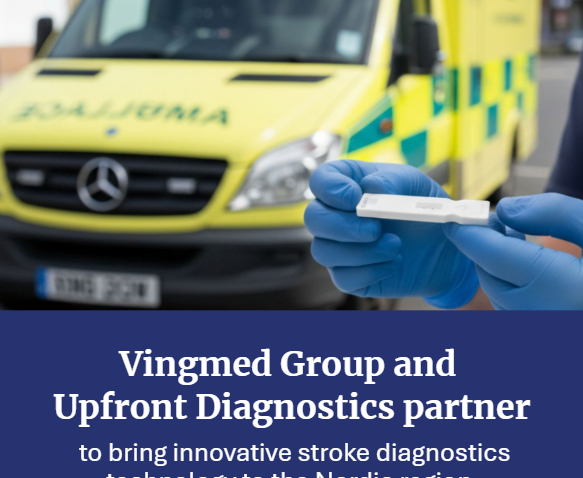
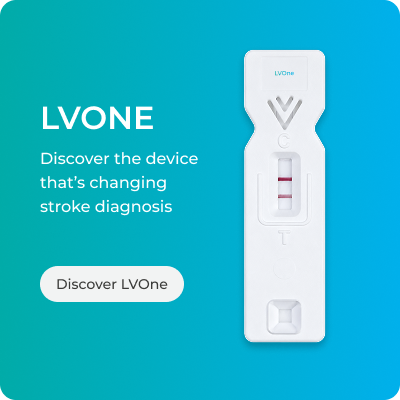
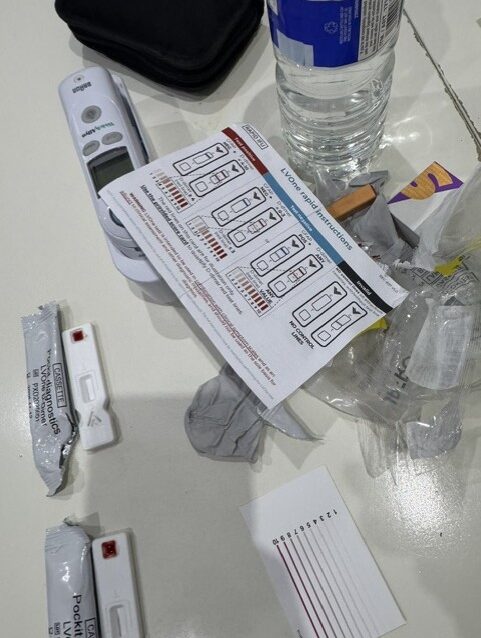
Shortly after we returned home, the ambulance arrived. The paramedic team was exceptional—they quickly assessed mum and performed a novel finger-prick blood test right there and then. This rapid test was designed to identify the type of stroke, specifically if it was a large vessel occlusion (LVO), which requires urgent intervention.
What made this moment remarkable was how this simple, point-of-care blood test transformed the entire pathway. The paramedics consulted remotely with a stroke specialist, confirming that immediate transfer to a specialist hospital was necessary.
Bypassing Delays: Straight to Specialist Care
With the “alert” generated by the blood test and the video consultation with experts, mum was taken straight to Queen’s hospital, where she bypassed usual delays and went directly for a CT scan and treatment. The speed and accuracy of this finger-prick test saved precious time, enabling the hospital team to act swiftly and decisively.
Recovery and Rehabilitation
My mum spent a week at the Queen’s hospital, receiving outstanding care. While her mobility was affected, her speech and taste were impacted the most. Now, three weeks on, she is undergoing speech and language therapy and steadily recovering.
Why Rapid Stroke Diagnostics Matter
This experience brought home the human side of stroke care—how every moment, every decision, and every innovation can mean the difference between life and lasting disability.
Rapid, accessible diagnostics like the LVOne blood test are revolutionising stroke response by empowering paramedics to identify stroke subtypes before hospital arrival. This early diagnosis streamlines care, reduces delays, and ultimately saves lives.
For families like mine, this technology offers hope and reassurance in an emergency when time is of the essence. It reminds us that behind every statistic is a person with a life, a family, and a future worth fighting for.
We thank Anita Jethwa for sharing this first hand experience with us. She is based in London and works at a non-profit organisation